
- Skin Cancer
Surface Radiation Therapy (SRT)
Non-surgical treatment for select skin cancers.
Overview
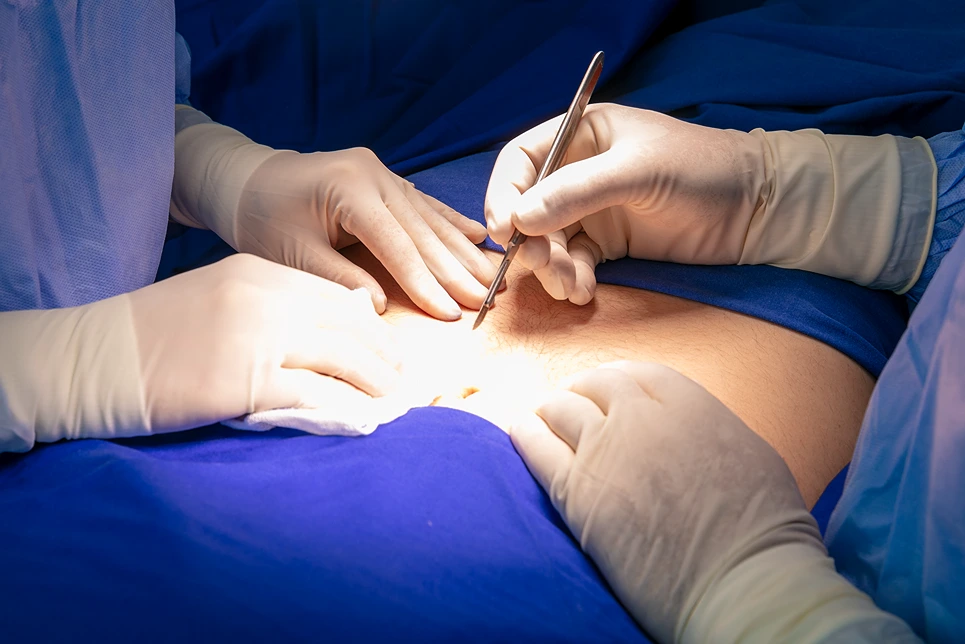
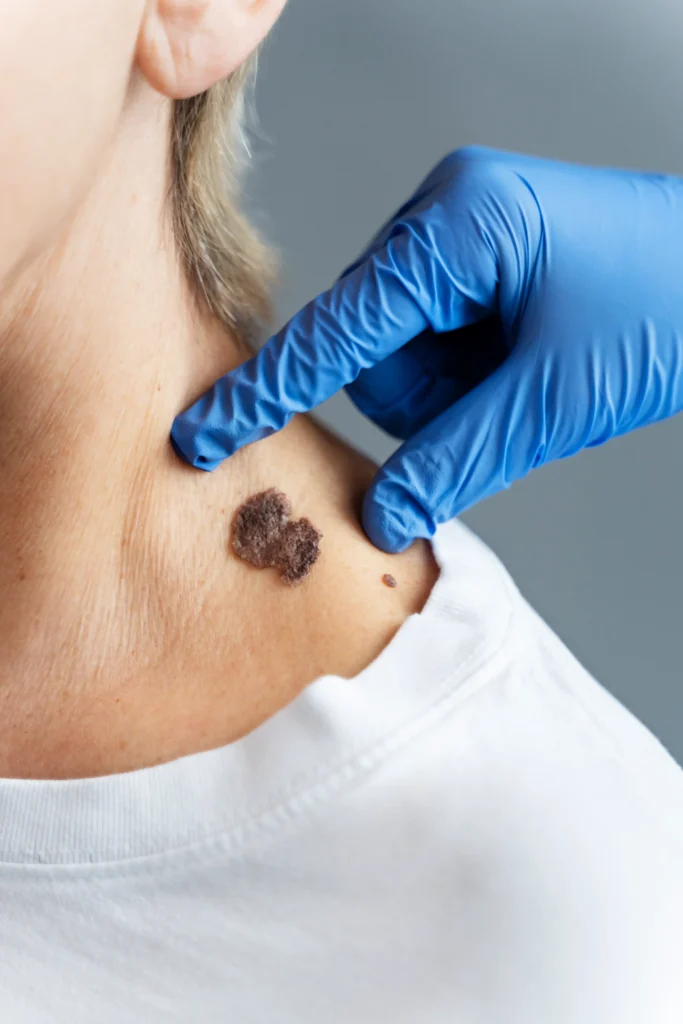
Superficial radiotherapy delivers a precise low-energy X-ray beam to treat basal cell and squamous cell carcinoma without cutting or stitching. It is an excellent option for patients who prefer to avoid surgery.
Symptoms patients may notice
Treatment options we offer
- Short, painless office visits
- No anesthesia or downtime
- Excellent cosmetic outcome
- Cure rates comparable to surgery for selected cancers
Why choose Calvert Dermatology
Every visit at Calvert Dermatology is led by a board-certified physician. We take the time to listen, examine carefully, and build a treatment plan you understand. Our small practice model means continuity of care from first consultation through follow-up.
Frequently asked questions
Is SRT covered by insurance?
+
SRT for non-melanoma skin cancer is covered by Medicare and most commercial insurance. Our team will verify your benefits.
What is Radiation Therapy?
+
Radiation therapy is a type of medical treatment that uses energy to damage cells that are causing medical problems, usually related to cancer. Radiation therapy most often uses X-rays, but protons or other types of energy also come under this classification. Sometimes radiation comes from an external beam source, like with Xstrahl systems, and sometimes it comes from a placement of energy inside the body, called brachytherapy (brak-e-THER-uh-pee).
How does Radiation Therapy work?
+
Radiation therapy works by destroying the genetic material that controls how cells grow and divide. Although both healthy and cancerous cells are damaged by radiation therapy, the goal of radiation therapy is to destroy the cancer cells and reduce as much dose to healthy tissue as possible. Normal cells are usually capable of repairing radiation damage.
What is Superficial Radiation Therapy?
+
Superficial radiation therapy is a type of radiation that has lower energy. Low-energy X-rays, like those used in Xstrahl technology, help treat lesions that are very shallow – like the ones on your skin. In many cases, a simple series of low-dose X-ray treatments can provide excellent clinical results for non-melanoma skin cancer as well as other benign conditions, in addition to a better treatment experience.
What types of disease can be treated with Superficial Radiation Therapy?
+
For non-melanoma skin cancer, patients with basal cell carcinoma or squamous cell carcinoma, radiotherapy provides an alternative to surgical treatment and often minimizes scarring. Radiation therapy provides a good treatment option in a dermatology setting when surgery is not preferred, as it offers outcomes comparable to surgical excisions with low complication rates. Radiation therapy can also be used for post-operative keloid treatment and other benign conditions, such as Dupuytren’s contracture and Ledderhose disease. Slightly higher energy devices deliver orthovoltage radiation therapy, which can be used to treat soft tissue metastases and bony metastases for palliative purposes.
How long is a typical treatment with Xstrahl technology?
+
Treatment varies depending on condition and body site, however, most treatments are done in a matter of minutes, and are delivered by a radiation oncologist or dermatologist. Treatments may be repeated over a number of days or weeks, depending on your condition.
What does a typical treatment involve?
+
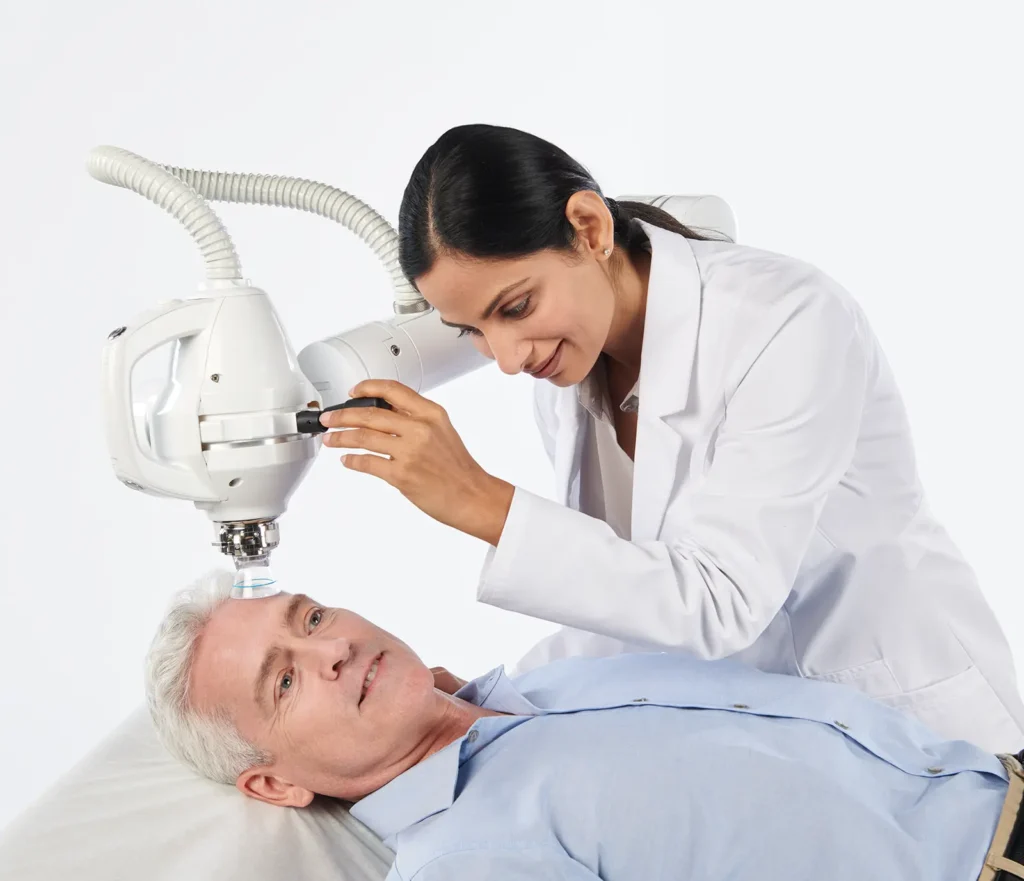
Typically, treatment will involve you sitting or lying in a comfortable position. The Xstrahl system is placed over the treatment area and turned on. Within a few minutes, after the treatment has been delivered, you are free to leave. If you’re having keloids treated, you will first need to schedule radiotherapy and then surgery. Once the surgery is complete, but before it has healed, you will receive a course of radiation therapy directly over the wound.
What impact will treatment have on my life?
+
Unlike surgery or more invasive types of radiation therapy, superficial radiation therapy has a very low impact on day-to-day life. During treatment, you can continue to live your life your way, and thanks to the short treatment times, you don’t need to spend a lot of time at your clinic.
Does the treatment hurt?
+
The treatment is completely painless; however, you may experience some discomfort in the weeks after treatment as the area heals.
Does the treatment leave scars?
+
Xstrahl systems provide non-invasive electronic brachytherapy, superficial radiation therapy, and orthovoltage radiation therapy to treat a variety of conditions. As a result, this treatment is much less likely than surgery to cause scarring. If you’re receiving treatment for keloids, the radiotherapy will not cause additional scarring, and will make it much more likely that the keloid scar will not come back.
What are the side effects of treatment?
+
Any side effects from skin radiation therapy usually are limited to the area receiving therapy. These can include:
Skin irritation, ranging from redness to peeling and scabbing over
Changes in skin color
Hair loss in the area being treated
Skin irritation, ranging from redness to peeling and scabbing over
Changes in skin color
Hair loss in the area being treated
Will I need follow-up treatments?
+
Radiation therapy tends to be applied over a series of treatments, however, once the course of treatments is over, you won’t need to have follow-up courses.
What is Radiant™ Aura?
+
Radiant Aura is a medical device from Xstrahl that provides low-energy X-rays in an office-based dermatology setting. Radiant Aura offers both electronic brachytherapy and superficial radiation therapy to treat non-melanoma skin cancer, such as basal cell carcinoma and squamous cell carcinoma, as well as keloid scarring. Speak to your clinician to see if Radiant Aura is suitable for you.
What is the cure rate with Radiant Aura?
+
Radiant Aura treatments offer highly efficient cure rates. In treatments for skin cancers using superficial radiotherapy, the Radiant Aura system is comparable to surgical excision, with 90-95 percent effectiveness. In the treatment of keloids, combined with a suitable surgical extraction, the Radiant Aura system offers a cure rate of up to 94 percent. For more specific cure rates speak to your clinician.
- Educational
Have questions before your visit? Our resources library covers the most common conditions in plain language.
Services
Existing Patients
Ready to schedule your next visit?
Request an appointment online in under a minute. Our team will confirm your time by phone within one business day.